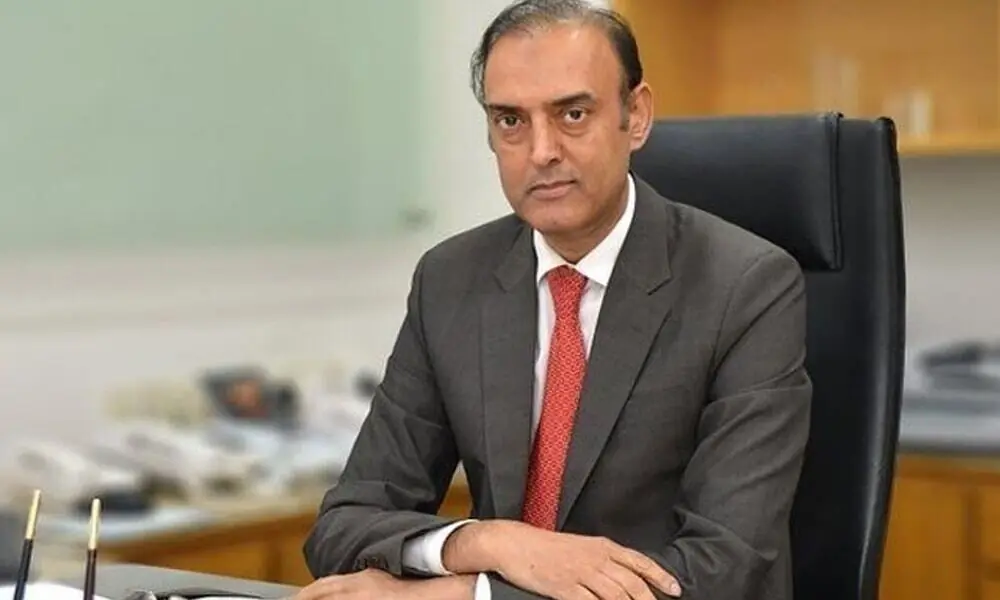
UNITED NATIONS: On the sidelines of the United Nations high-level forum, Pakistan’s Federal Minister for Planning, Development, and Special Initiatives, Prof. Ahsan Iqbal, met with his Egyptian counterpart, Mr. Ahmed Rostom. The high-profile meeting served to reaffirm the long-standing, historic friendship between Pakistan and Egypt while exploring fresh avenues for bilateral and economic cooperation.
Acknowledging the shared legacy of their ancient civilizations, both ministers emphasized the critical need to transition their deep-rooted historical ties into active, modern partnerships. The leaders agreed on a multifaceted approach to strengthen government-to-government (G2G), business-to-business (B2B), and people-to-people (P2P) collaborations.
Strategic Initiatives on the Table
To drive these goals into actionable outcomes, the meeting focused on two primary diplomatic milestones:
- Establishment of a Pakistan–Egypt Joint Working Group: This body will be tasked with directly advancing mutual interests, development planning, and institutional collaboration.
- Pursuit of a Memorandum of Understanding (MoU): Both sides agreed to draft and implement a formal MoU to align their shared national development priorities.
“By utilizing the joint strength of our institutions, we can pave the way for sustainable economic growth and tangible benefits for both of our nations.”
— Prof. Ahsan Iqbal, Federal Minister
Harnessing Youth and Innovation
Highlighting the significant demographic advantages of both nations, Prof. Ahsan Iqbal underscored the immense value of investing in their dynamic, young populations. The discussion centered on launching joint initiatives for innovation, entrepreneurship, skills development, and knowledge exchange to foster self-reliance and modern economic growth.
The Egyptian Minister fondly recalled his previous visits to Pakistan, expressing high appreciation for the warm hospitality he received and reinforcing the enduring brotherhood between the two nations.
Prof. Ahsan Iqbal concluded the meeting by expressing strong confidence that this rejuvenated partnership will not only bring socio-economic prosperity to the peoples of both countries but also actively contribute to overall regional stability and growth.