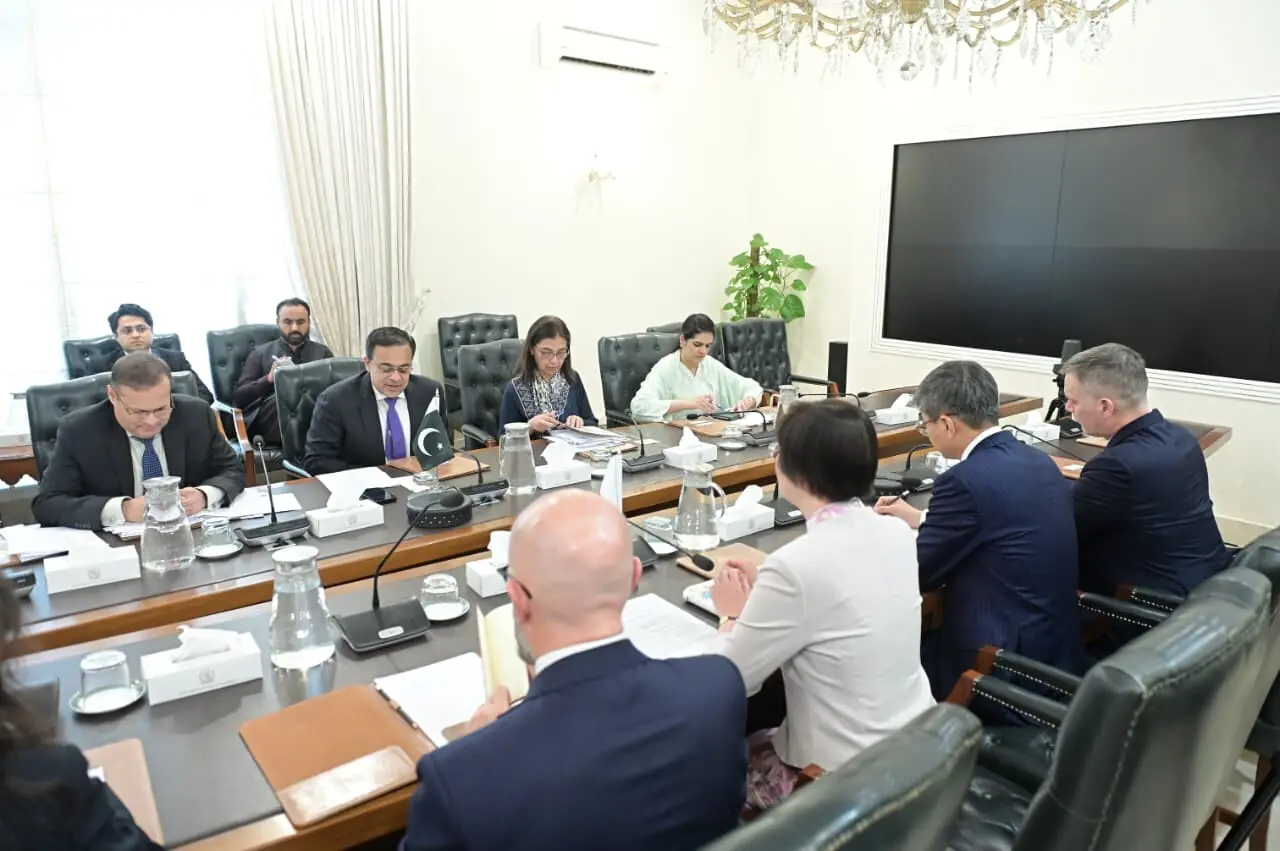
ISLAMABAD: Energy experts, policymakers, and international development partners gathered at a policy dialogue hosted by the Sustainable Development Policy Institute (SDPI) to chart Pakistan’s pathway beyond fossil fuels. The second half of the dialogue, titled “Beyond Fossil Fuels: Pathways for a Clean Energy Transition in Pakistan,” turned a critical spotlight on clean cooking solutions as an essential pillar for achieving Sustainable Development Goal 7 (Affordable and Clean Energy), bolstering national energy security, and improving public health.
The discussions emphasized that transitioning away from traditional biomass and fossil fuels in kitchens is no longer just an environmental goal, but a socioeconomic necessity for millions of households across the country.
KP E-Cooking Study Highlights Grassroots Potential
A central highlight of the event was the presentation of a joint study titled “Scaling E-Cooking in Khyber Pakhtunkhwa,” delivered by Ubaid ur Rehman Zia, Head of the Energy Unit at SDPI, alongside his project team.
The study provided a data-backed look at the feasibility of electric cooking technologies in rural communities using:
- Household surveys to understand current energy expenses and preferences.
- Clean cooking diaries tracking daily energy consumption patterns.
- An e-cookbook tailored to local culinary habits to demonstrate the efficiency of electric appliances.
Complementing this local research, Ms. Anise Zaman from the United Nations Economic and Social Commission for Asia and the Pacific (UNESCAP) highlighted the expanding regional momentum for clean cooking. She reaffirmed ESCAP’s commitment to assisting Pakistan through policy development, technology assessments, regional knowledge exchange, and innovative financing mechanisms like carbon credits to attract green investments.
Technical Roundtable: Overcoming Barriers to Adoption
During a specialized technical roundtable, key stakeholders discussed the regulatory, behavioral, and infrastructural shifts needed to scale e-cooking:
- Focusing on Rural Communities: Mr. Safdar Hayat, Manager at the Pakhtunkhwa Energy Development Organization (PEDO), stressed the importance of prioritizing rural areas. He called for stronger policy enforcement and targeted community awareness campaigns to accelerate the adoption of cleaner technologies.
- Achieving Scale: Dr. Jamshed from the National Electric Power Regulatory Authority (NEPRA) explained that integrating clean cooking into broader national energy initiatives is a priority. He noted that achieving economies of scale will be key to driving down market costs for consumers.
- People-Centered Solutions: Ms. Rihab Khalid, Senior Research Associate for the MECS Programme at Loughborough University, urged policymakers to design people-centered frameworks. She emphasized that addressing cultural and behavioral barriers, alongside robust economic analysis, is vital to changing how households cook.
A Call for Evidence-Based Policy
Closing the session, Dr. Shafqat Munir, Deputy Executive Director (Advocacy) at SDPI, reiterated that evidence-based research is the cornerstone of effective public policy. He reaffirmed SDPI’s ongoing commitment to providing the data and advocacy needed to support Pakistan’s transition to a sustainable, low-carbon future.
“The time for incremental progress has passed. To scale clean cooking solutions effectively, Pakistan requires a unified approach combining stronger policy support, innovative climate finance, regional collaboration, and community-led initiatives.”