US President Donald Trump said Iran was desperate to make a deal to end nearly four weeks of fighting, contradicting the Iranian foreign minister, who said his country was reviewing a US proposal but had no intention of holding talks to wind down the conflict.
Iranian Foreign Minister Abbas Araqchi said that while there had been no dialogue or negotiation with the US, various messages had been exchanged through intermediaries.
“Messages being conveyed through our friendly countries and us responding by stating our positions or issuing the necessary warnings is not called negotiation or dialogue,” Araqchi said in a state television interview on Wednesday. “It is simply an exchange of messages through our friends”.
Iran has targeted Zionist-linked facilities, satellite stations, Al-Azraq airbase, and US bases (Sheikh Isa, Ali al-Salem, Arifjan) using missiles and drones.
“We do not intend to negotiate,” Araghchi told state TV. “We seek an end to the war on our own terms.”
In Pakistan, officials said Islamabad had conveyed to Tehran a 15-point American plan to stop the fighting that began on February 28.
Iran’s state-controlled Press TV cited an unidentified official as saying Tehran had “responded negatively” to the plan and the war would end only on Tehran’s terms, which include guarantees against future attacks.
Read: Iran still weighing US proposal despite negative initial response, senior Iranian official says
A senior Israeli defence official said Israel was sceptical Iran would agree to the terms, and that Israel was concerned US negotiators might make concessions. Israel also wants any agreement to preserve its option to conduct pre-emptive strikes, a second source said.
Additionally, Iran has told intermediaries that Lebanon must be included in any ceasefire agreement with the US. and Israel, six regional sources familiar with Iran’s position said.
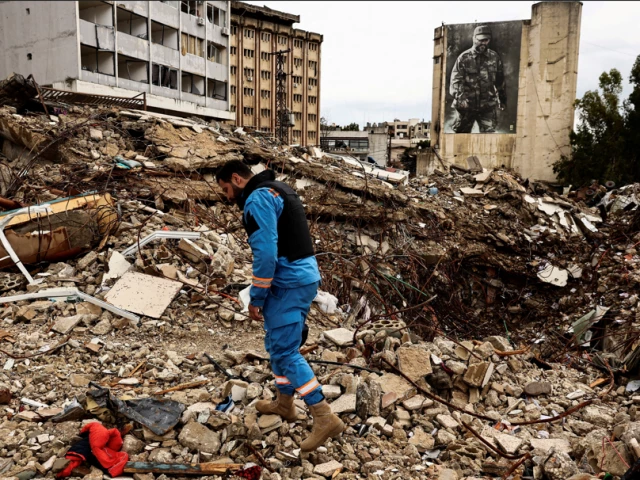
Trump has not identified who the US is negotiating with in Iran, with many high-ranking officials among the thousands of people killed across the Middle East since the US and Israel attacked Iran on February 28 and Iran launched strikes against Israel, US bases and Gulf states.
Iran’s supreme commander, Ayatollah Ali Khamenei, was killed on the first day of the conflict by an Israeli strike and was replaced by his son Mojtaba, who has been wounded in strikes and has not been seen in any photograph or video clip since his appointment.
“If Iran fails to accept the reality of the current moment… Trump will ensure they are hit harder than they have ever been hit before,” Leavitt said. “President Trump does not bluff, and he is prepared to unleash hell.”
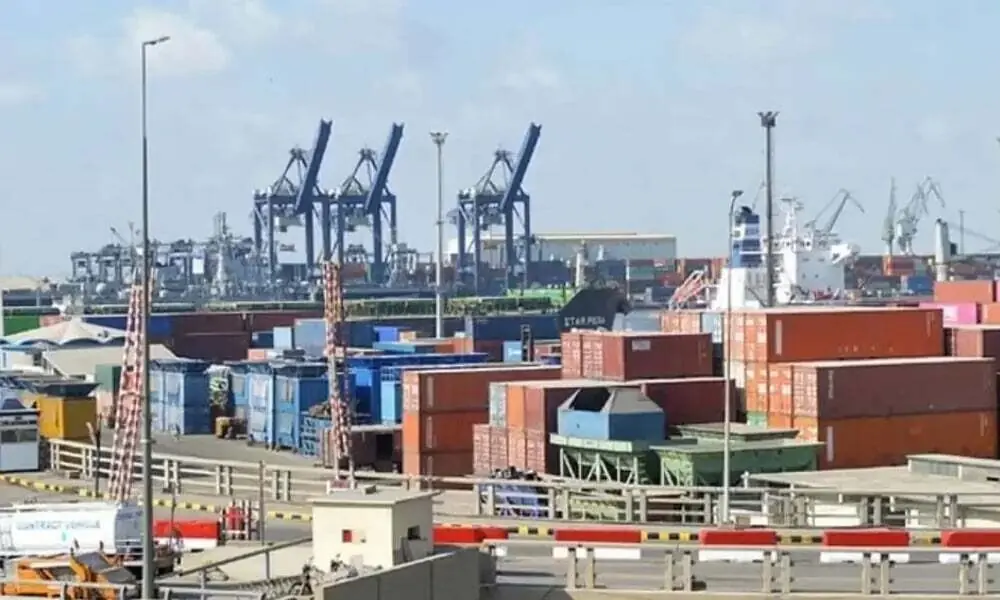
With thousands more US troops reportedly headed to the Middle East, Iran also threatened to open a new front by targeting Red Sea shipping should the United States launch a ground invasion.
Iran’s military said cruise missiles fired at the USS Abraham Lincoln carrier group had “forced it to change its position” and warned of “powerful strikes” when the fleet comes into range.
Read more: Iran rejects US proposal, outlines five conditions to end war: state TV
Admiral Brad Cooper, head of US Central Command, said the United States had hit two-thirds of Iran’s production facilities for missiles and drones, and drone and missile launch rates were down by 90 percent.
In a video on X, Cooper also estimated that 92 percent of the Iranian navy’s largest vessels had been damaged or destroyed.
“They’ve now lost the ability to meaningfully project naval power and influence around the region and around the world,” he said.