There is understandable concern that ongoing tensions in the Middle East and the sharp rise in oil prices could once again transmit quickly into Pakistan’s economy, fuelling inflation, eroding foreign exchange reserves, and creating broader macroeconomic stress.
Pakistan has faced similar shocks before, notably in 2008 and 2022, when Brent crude prices surged above $120 per barrel, each time exposing the country’s structural dependence on imported energy. While uncertainty remains high and much will depend on the duration of the current crisis, there is cautious optimism that changes in Pakistan’s energy mix over the past decade may help cushion the impact, especially for electricity.
The main reason is the rapid expansion of solar energy, which now accounts for an estimated 20-25% of total electricity consumption when both grid-supplied and off-grid generation are included. According to independent energy analyst Alex Harrison of the Secure Energy Project, Pakistan’s solar boom is acting as an effective hedge against potential disruptions around the Strait of Hormuz. Increased solar adoption is estimated to have reduced oil and gas imports by about 40% between 2022 and 2024, generating savings of over $12 billion by early 2026, with a further $6.3 billion expected by year-end.
Another source of resilience is the sharp decline in imported fuel oil used for electricity generation, from nearly 35% a decade ago to less than 1% today. Much of this gap has been filled by regasified liquefied natural gas (RLNG), which now accounts for roughly 21% of generation. Although dependence on imported fuels remains significant, it has fallen by nearly 40%. As a result, the impact of rising oil prices is likely to be more contained than in previous episodes.
Hydropower has also expanded, with generation increasing from about 32,600 gigawatt hours (GWh) to nearly 40,000 GWh over the past decade. This progress could have been greater had projects such as Diamer-Bhasha and Dasu not faced delays and had the Neelum Jhelum project not encountered technical setbacks. The potential for further expansion remains considerable.
Another important development is the rise of domestic coal, particularly from Thar. Its share in grid electricity has grown from negligible levels to over 11%. Production capacity is currently being expanded in a planned manner. Not only will it be meeting the energy needs but also under the Coal-to-Fertiliser (C2F) initiative, Thar coal is planned to be used to produce ammonia, which would then be combined with carbon dioxide to produce over 700,000 tons of urea. Not only would it meet all the domestic needs but almost half of it is planned to be exported.
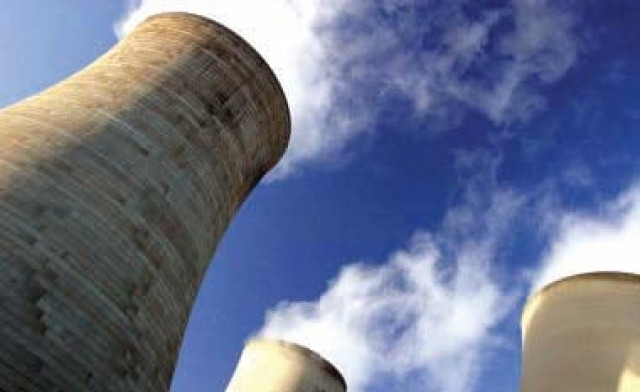
Nuclear energy has also emerged as a key pillar of stability. Its share in the energy mix has increased from less than 5% in 2015 to over 16% today. Nuclear plants provide consistent and reliable electricity and are largely insulated from international price volatility, making them an essential component of a resilient energy system.
Despite these gains, several critical gaps remain. Pakistan has not invested adequately in modernising its transmission infrastructure. Significant inefficiencies persist, leading to high losses and limiting the effective integration of new energy sources. Technologies such as high-voltage direct current systems offer a viable solution by enabling long-distance transmission with lower losses and costs, while improving integration of renewable and remote energy sources.
Pakistan’s transport sector drives 80% of petroleum demand, costing $19 billion annually in imports. With a new auto policy underway, a decisive shift to electric vehicles (EVs) is essential, not only to cut this import bill but also to curb urban air pollution. By adopting a hands-off approach through removing tariffs/non-tariff barriers and aligning petroleum prices with global markets, the government can let market forces drive the EV transition, just as it did with solar adoption.