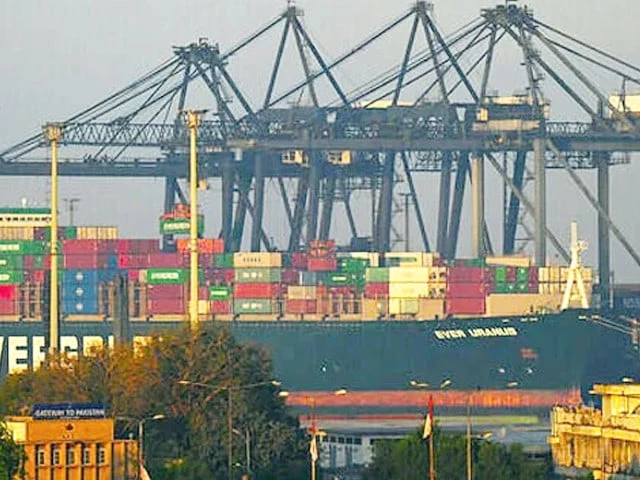
KARACHI, PAKISTAN — In a historic milestone for Pakistan’s automotive and maritime sectors, the country has successfully received its first-ever specialized Roll-on/Roll-off (RoRo) shipment of automobiles. The massive 220-meter vessel, M.V. Grande Shanghai, successfully berthed at the Karachi Gateway Terminal Multipurpose Limited (KGTML) terminal of the Karachi Port Trust (KPT).
The ship arrived carrying a monumental cargo of more than 2,000 electric vehicles (EVs), signaling a major leap forward for both sustainable mobility and logistics infrastructure in Pakistan.
A Breakthrough in Port Efficiency and Safety
The arrival follows recent regulatory approvals by Federal Minister for Maritime Affairs Muhammad Junaid Anwar Chaudhry, aimed at upgrading Pakistan’s port infrastructure and expanding the nation’s “blue economy.”
Unlike conventional cargo vessels that rely on heavy cranes and container lifting, RoRo vessels are custom-engineered for wheeled cargo. This offers a number of operational advantages:
- Direct Drive Handling: Vehicles are driven directly on and off the ship via built-in ramps, bypassing the need for complex crane operations.
- Drastically Reduced Timelines: Eliminating container logistics significantly slashes cargo handling and offloading times.
- Enhanced Safety: Direct roll-off minimizes handling touchpoints, substantially reducing the risk of transit damage to the imported vehicles.
“The successful berthing of M.V. Grande Shanghai and the efficient handling of specialized cargo demonstrates that Karachi Port is moving toward world-class, modern shipping services. This highlights Pakistan’s gradual integration into the global clean mobility supply chain.”
— Federal Minister for Maritime Affairs Junaid Anwar Chaudhry
Fuelling the Green Transition
Beyond the logistical triumph, the influx of over 2,000 electric vehicles represents a monumental shift for Pakistan’s domestic auto industry. As the largest singular shipment of clean-energy vehicles to hit Pakistani shores, this development is set to accelerate the adoption of eco-friendly, consumer-ready transport while heavily lowering dependency on traditional fossil fuels.