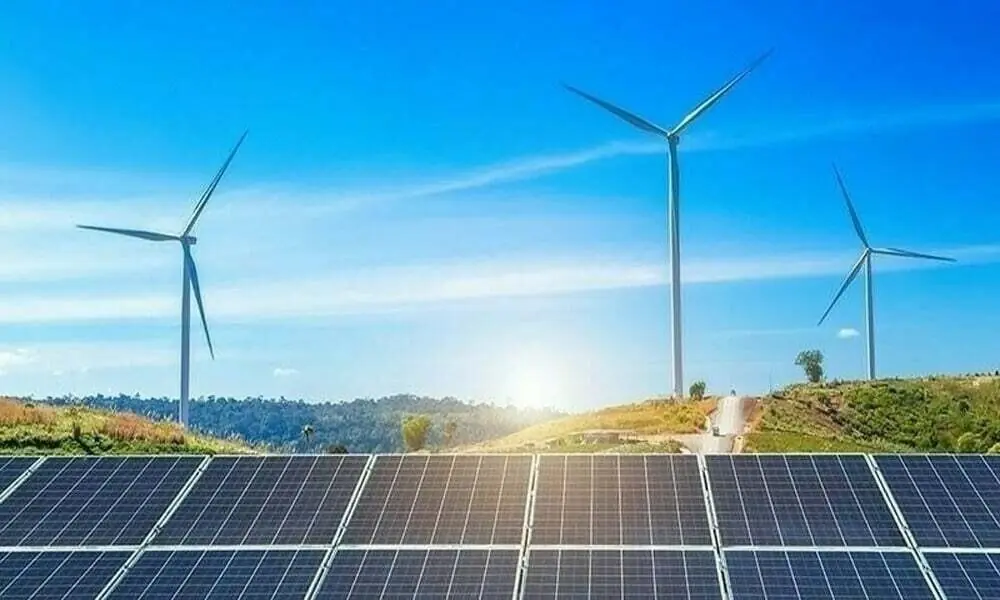
LAHORE: Punjab Secretary Energy, Muhammad Ajmal Bhatti, held a key meeting with Danish delegation to discuss cooperation on green energy transition, industrial energy conservation, and sustainable development under the Government-to-Government (GtG) Strategic Sector Cooperation (SSC) framework.
The Danish delegation included Nadeem Nawaz, Fridolin Muller Holm, and Dania Baseer. During the meeting, both sides discussed measures to promote efficient energy use in Punjab’s industrial sector, encourage energy conservation, and align industrial reforms with international environmental standards.
The participants agreed to prioritize the implementation of ISO 50001-based energy management systems in energy-intensive industries and develop an effective provincial regulatory framework for energy efficiency with Danish technical assistance.
The discussions also focused on introducing low-cost but high-impact energy-saving measures and preparing sector-specific technical guidelines for industries including textiles, cement, and food processing. These guidelines aim to help industries adopt modern, energy-efficient, and environmentally sustainable practices.
Speaking on the occasion, Secretary Energy Punjab Muhammad Ajmal Bhatti said the Punjab government, under the vision of Maryam Nawaz Sharif, is taking practical steps to promote energy efficiency, industrial growth, and environmental protection.
He noted that rapidly evolving global de-carbonization standards have made it essential for Punjab’s export-oriented industries to align with modern energy standards in order to remain competitive in international markets.
Bhatti further stated that energy conservation in the industrial sector would not only reduce production costs but also contribute significantly to lowering environmental pollution, promoting sustainable industrial development, and strengthening the green economy.
Both sides also agreed to jointly work on transforming selected industrial clusters in Punjab into “Model Energy Efficiency Zones.” A comprehensive three-year roadmap will be prepared for this initiative, featuring clear targets, phased implementation, data-driven monitoring and evaluation mechanisms, and specialized training programs to enhance the capacity of provincial officials and energy auditors.