The emphasis on economic indicators is somewhat restricted, as the ongoing uncertainty in the Middle East has kept the market on edge for the past month and continues to influence the global economy. Every nation is affected in some way by the conflict in the Gulf region.
A major concern for countries purchasing liquefied natural gas (LNG) is the damage to Qatar’s LNG infrastructure, which may take nearly 50 to 60 weeks to resume operations. Qatar exports more than 15% of the world’s liquefied natural gas. Regardless of whether the conflict concludes, this situation will likely continue to keep energy prices elevated and under strain.
There remains hope for a resolution to the potential conflict involving the USA and Israel against Iran, especially since the timeline for a potential US attack on the energy facilities has been extended to April 6. The market is still optimistic about a possible settlement.
Technology stocks have now faced losses for five consecutive weeks, placing significant pressure on the S&P 500 and NASDAQ, which have reached six-month lows, while the Dow Jones Industrial Average has remained relatively stable.
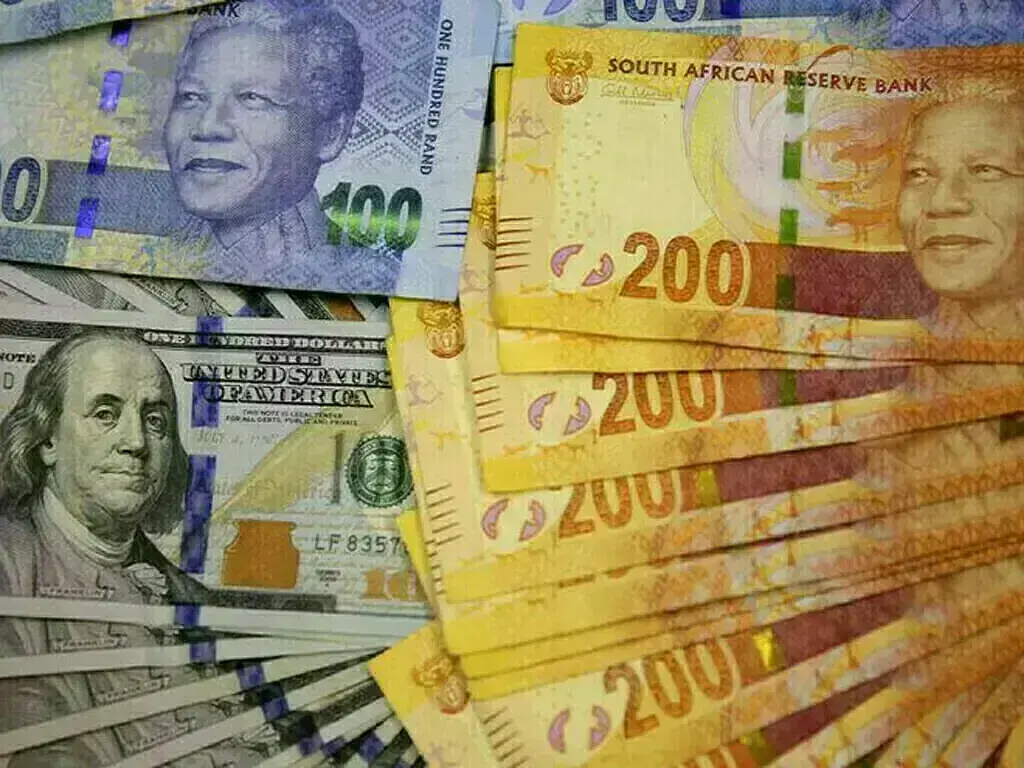
As a safe haven, the US dollar has been the primary gainer during this turbulent period, strengthening over the past eight months.
However, the Japanese Yen has emerged as the weakest currency, nearing levels that challenge the Bank of Japan at 160, as Japan imports over 90% of its crude oil from the Middle East, with almost 45% sourced from the UAE and about 40% from Saudi Arabia.
Meanwhile, gold has experienced extreme volatility and has maintained a weaker tone, trading within a wide range, yet it did see some gains on Friday in New York.
Geopolitical dynamics are significantly impacting both developed and developing economies. In the UK, the Bank of England will find it increasingly difficult to lower interest rates due to rising oil prices.
The adverse combination of declining wage growth and elevated petrol prices may compel policymakers to consider raising rates if oil prices remain high.
Additionally, declining consumer confidence could further undermine sentiment, as inflation is anticipated to rise alongside increased oil prices. The president of the European Central Bank has already issued warnings about the potential repercussions of war on the eurozone economy.
The uncertainty stemming from the conflict in the Middle East, coupled with rising gasoline prices in the USA and the looming threat of further oil price increases, negatively impacts consumer sentiment. Hence, unless the situation improves, it will hinder the Federal Reserve’s ability to lower interest rates in April.
The Fed has already indicated that only one rate cut is on the table this year due to the energy crisis.
However, if these issues persist and oil prices do not decline, I anticipate the FOMC may have to even reconsider a rate hike this year.
Perspective on the Global Impact of the Middle Eastern Conflict
The global market isn’t as calm as it may appear. Almost every economy is experiencing upheaval because of insufficient control over multiple factors leading to widespread economic chaos and concerns about potential unrest.
Economic panic is widespread across the globe, and the reasoning behind it is evident. Each economy relies on the support of others, primarily through imports and foreign investments.
The leading global economies are very skilled at securing the resources they need, often through questionable methods.
In reality, no significant economy can claim complete self-sufficiency or the ability to stand independently.
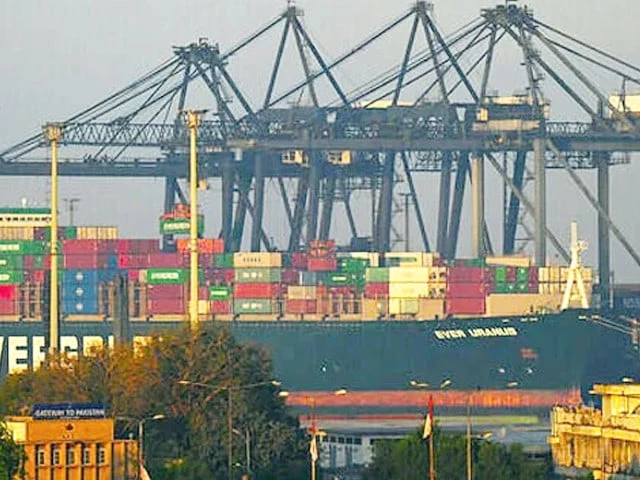
This reliance has become particularly evident with Iran’s blockade of the Strait of Hormuz, a crucial passage between the Persian Gulf and the Gulf of Oman, which spans 104 miles and varies in width from 24 to 60 miles.
The closure has disrupted normal traffic, placing global economies in a precarious position. The impact has extended beyond just oil prices.
Shortages have affected everything from fertilizers to various goods, leading to significant economic strain. Suppliers are left in limbo, insurance costs have surged, and transportation expenses have skyrocketed.
Regardless of being a superpower or a weaker nation, as of now it seems that no one can compel the aggressor to comply with their demands, unless the aggressor shows some willingness. This situation has been ongoing for more than a month now with the world feeling helpless against the aggressor.
If a resolution is not reached soon and the conflict escalates further, it could lead to unforeseen consequences globally.
It is unsettling to think about the potential of a global conflict. The key question is who is actually correct in this scenario? Each nation believes it is innocent, distancing itself from the suffering.
However, we must consider the cost of prolonging this issue and its economic ramifications. With each passing day without resolution, the strain on leading economies becomes increasingly severe. If this ongoing issue continues for several months, the consequences could be unimaginable.
Let us hope that better judgment prevails.
WEEKLY OUTLOOK – MAR 30- APR 3
GOLD @ USD 4493- I have been pointing out that gold prices may face a downward pressure if the market lacks sufficient liquidity.
Traders are increasingly drawn to oil prices, which present a solid investment opportunity as long as tensions in the Middle East continue.
Central banks are also on high alert and require a surplus of funds. Some have sold or swapped gold to fulfill their needs.
This situation renders gold less appealing, even though it still retains its status as a safe haven.
On the upside, the levels to monitor are USD 4575. However, unless gold climbs above USD 4680, it risks facing a correction. On the downside, support is at USD 4380, with a critical level at USD 4240.
EURO @ 1.1510- Euro has strong support at 1.1420, which is expected to remain stable up to 1.1650. If there is a definitive break, it could lead to a move towards 1.1720. If not, the Euro may experience a correction.
GBP @ 1.3255- Pound Sterling is facing pressure at the moment, but it is likely to find support soon, with the 1.3125 level expected to hold as it gradually recovers. To test the 1.3440 level, a breakthrough at 1.3380 is necessary. If not, the Cable will remain within its current trading range. Or else 1.3040.
JPY @ 160.25- The $/JPY pair is expected to undergo a correction and is unlikely to surpass 161.40. If it falls below 159.10, it may decline to 158.20 or even 157.05. Alternatively, it could rise to 163.50.